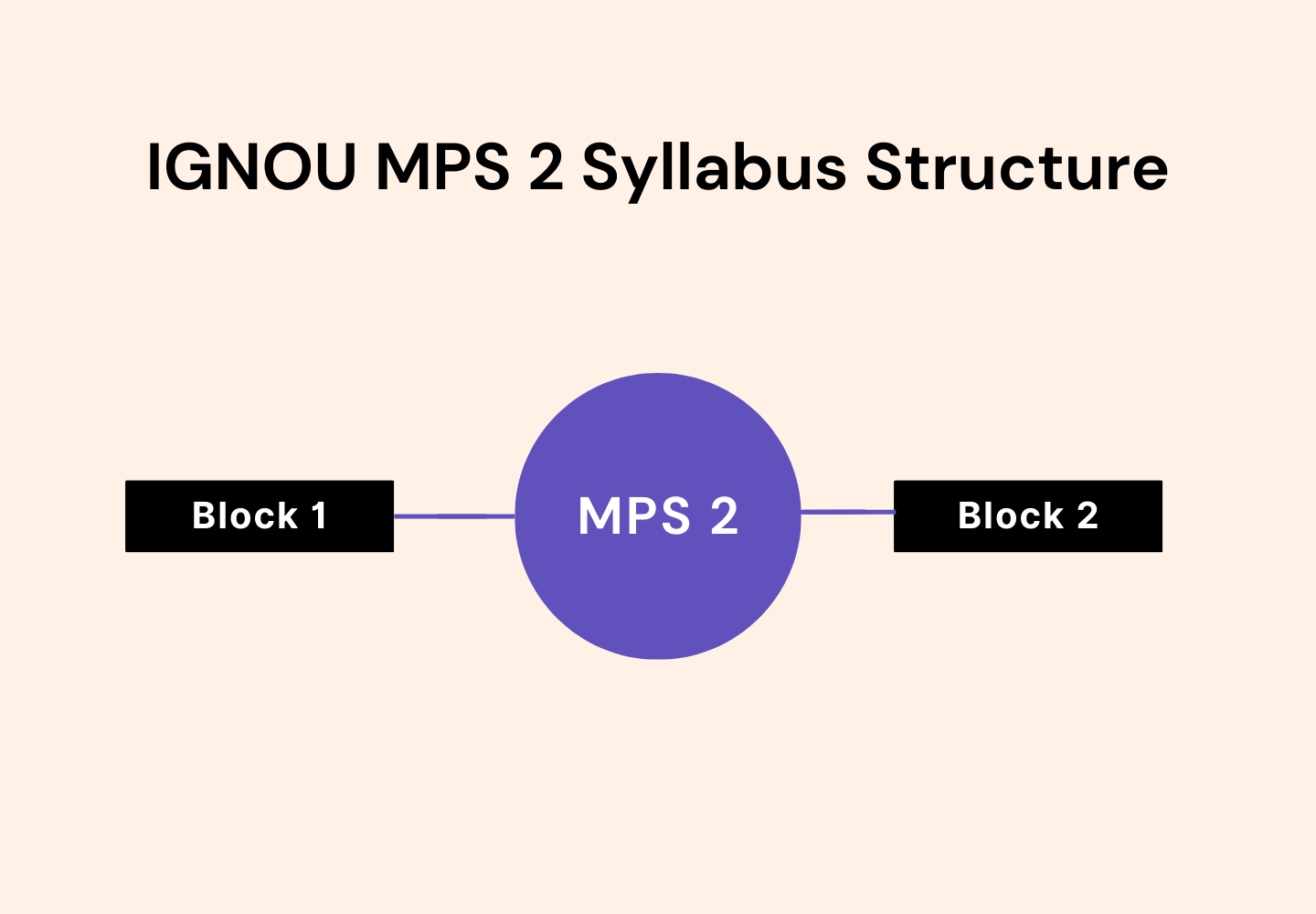
MPS – 2 Syllabus | International Relations: Theory & Problems Last Updated on February 19, 2026 Table of Contents Here you will get the full syllabus for the IGNOU MPS 2 :International Relations: Theory and Problems The syllabus of IGNOU MPS 2 is divided in 2 blocks and each block is again divided in units. We have listed the detailed syllabus of all the 2 blocks and its units. IGNOU MPS 2 Syllabus Structure MPS Solved Question Papers [ Coming Soon ] Contentu Syllabus of MPS 2 Course Code MPS 02 Course Title International Relations: Theory & Problems Course Type Compulsory Course Blocks Total 2 Blocks Programme MPS : Master’s Degree in Political Science University IGNOU ( Indira Gandhi National Open University ) MPS Solved Question Papers [ Coming Soon ] Block 1 Book-I Unit 1 – Realist and Neo-Realist Approaches Unit 2 – Liberal and Neo-Liberal Approaches Unit 3 – Marxist and Other Radical Approaches Unit 4 – Neo-Radical Approaches Unit 5 – Post-Structuralist and Post-Modernist Approaches Unit 6 – Feminist Approaches Unit 7 – Environmental Approaches Unit 8 – Worldviews from Asia, Africa and Latin America Unit 9 – End of Cold War Unit 10 – Post-Cold War Issues Unit 11 – Emerging Powers Unit 12 – Regional Groupings Unit 13 – Globalization Unit 14 – International Inequities Unit 15 – Elements of International Economic Relations Unit 16 – Management of International Relations Unit 17 – India in the New Global Order MPS Solved Question Papers [ Coming Soon ] Block 2 Book-II Unit 1 – Right to Self-Determination Unit 2 – Intervention/Invasion Unit 3 – Nuclear Proliferation Unit 4 – International Terrorism Unit 5 – Role of Science and Technology in International Relations Unit 6 – Inequality Among Nations Unit 7 – Global Corporatism and State Sovereignty Unit 8 – Human Rights and International Trade Unit 9 – Changing Nature of American Power Unit 10 – China as an Emerging Power Unit 11 – Emergence of Central Asian Republics Unit 12 – Ethnic Resurgence and ‘Identity’ Wars Unit 13 – Aboriginal/Indigenous Movements Unit 14 – Displacement of Populations: Intra-State and Inter-State Unit 15 – Transnational Movements: Cultural and Civilisational Unit 16 – Role of NGOs Unit 17 – Concept of Justice in International Relations Unit 18 – Human Security MPS Important Links 1st Year MPS 01 SyllabusMPS 02 SyllabusMPS 03 SyllabusMPS 04 Syllabus 2nd Year MPSE 1 SyllabusMPSE 2 SyllabusMPSE 3 SyllabusMPSE 4 SyllabusMPSE 5 SyllabusMPSE 6 SyllabusMPSE 7 SyllabusMPSE 8 SyllabusMPSE 9 SyllabusMPSE 11 SyllabusMPSE 12 SyllabusMPSE 13 SyllabusMED 2 SyllabusMED 8 SyllabusMGP 4 SyllabusMGPE 7 SyllabusMGPE 8 SyllabusMGPE 10 SyllabusMGPE 11 SyllabusMGPE 13 Syllabus Leave a Reply Cancel replyYour email address will not be published. Required fields are marked *Comment * Name * Email * Website Save my name, email, and website in this browser for the next time I comment.