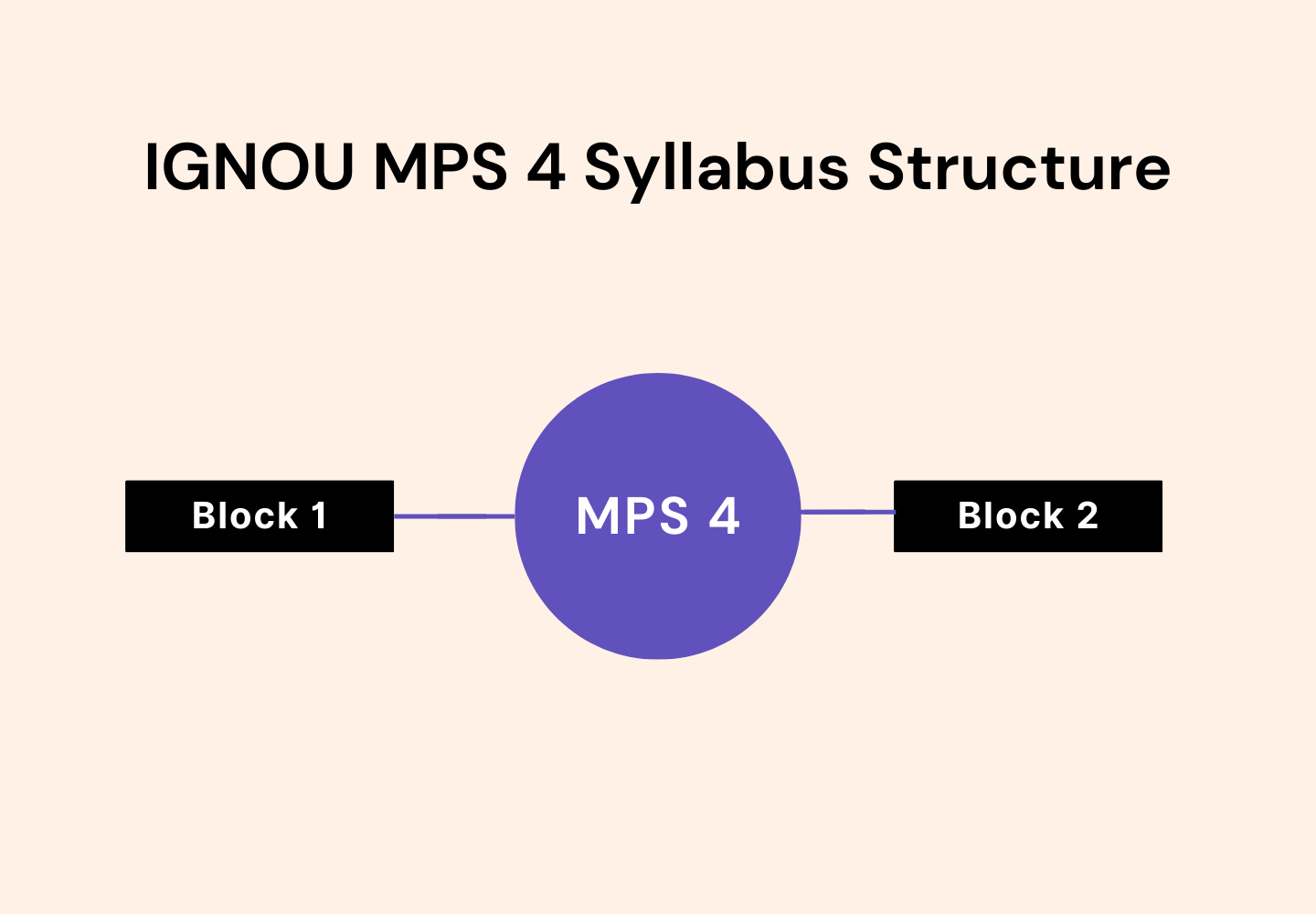
IGNOU MPS-04 Syllabus | Comparative Politics: Issues and Trends Last Updated on January 31, 2026 Table of Contents Here you will get the full syllabus for the IGNOU MPS 4:Comparative Politics: Issues and Trends The syllabus of IGNOU MPS 4 is divided in 2 blocks and each block is again divided in units. We have listed the detailed syllabus of all the 2 blocks and its units. IGNOU MPS 4 Syllabus Structure MPS Solved Question Papers [ Coming Soon ] Content Syllabus of MPS 4 Course Code MPS 4 Course Title Comparative Politics: Issues and Trends Course Type Compulsory Course Blocks Total 2 Blocks Programme MPS : Master’s Degree in Political Science University IGNOU ( Indira Gandhi National Open University ) MPS Solved Question Papers [ Coming Soon ] Block 1 Book-I Unit 1 – Comparative Politics: Nature, Significance and Evolution Unit 2 – Comparative Approaches and Methods: Systems, Structural Functional and Public Policy Unit 3 – Comparative Approaches: Political Economy, Dependency and World Systems Unit 4 – Theories of State Unit 5 – State in Developing Societies: Asian, African and Latin American Experiences Unit 6 – Civil Society and The State Unit 7 – Globalization and State Unit 8 – Regional Integration and State Unit 9 – International Organizations and State Unit 10 – Transnational/Multinational Corporations and State Unit 11 – Nationalism: Approaches Unit 12 – Forms of Nationalism Unit 13 – Colonialism and Anti-Colonial Struggles Unit 14 – Nationality and Self Determination Unit 15 – State Building and Constitutionalism MPS Solved Question Papers [ Coming Soon ] Block 2 Book-II Unit 1 – Ethnicity Politics and State Unit 2 – Politics of Community Identities Unit 3 – Ethnic Movements Unit 4 – Political Regime Unit 5 – Bureaucracy Unit 6 – Military in Politics Unit 7 – Federalism: Patterns and Trends Unit 8 – Parties and Party Systems Unit 9 – Interest Groups, Pressure Groups and Lobbying Unit 10 – Poverty and Human Development Unit 11 – Gender and Development Unit 12 – Environment Unit 13 – Science, Technology and Politics Unit 14 – Decentralization and Participation Unit 15 – Human Rights Leave a Reply Cancel replyYour email address will not be published. Required fields are marked *Comment * Name * Email * Website Save my name, email, and website in this browser for the next time I comment.